
When Does a Home Heating Oil Tank Fall Under NJDEP Regulation?
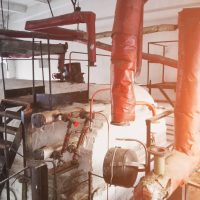
Heating oil tanks are common across New Jersey, as many single-family homes and older buildings still rely on buried or basement tanks to heat living spaces. Despite their ubiquity, state regulators treat residential heating oil tanks differently from larger commercial underground storage tanks (USTs). That difference can be confusing: are home heating oil tanks regulated? The short, accurate answer is: usually no… until there is a confirmed discharge (a leak) or the tank otherwise falls into a category covered by NJDEP rule. Knowing when the New Jersey Department of Environmental Protection (NJDEP) steps in matters for legal liability, cleanup costs, and protecting your property value. Learn more below, and contact Herbert Lutz & Company for help with underground storage tank (UST) services in New Jersey.
The “unregulated” status and what it means
Under New Jersey’s UST regulations and the state’s separate heating oil tank rules, many heating oil tanks used for residential purposes are treated as unregulated heating oil tank systems. That means they are not subject to the full set of UST requirements, such as registration, mandatory leak-detection programs, financial assurance, and the same installation/operation standards that apply to regulated commercial USTs. The NJDEP has established a program specifically to address these tanks and discharges from them, because even though they are “unregulated” for routine operation, they still pose contamination risk if they leak.
So, is it true that a tank becomes regulated “when it’s leaking”?
Partly. A residential heating oil tank that is intact and in normal use typically falls outside the regulated UST framework. But when a discharge (spill or leak) occurs, the site becomes an enforcement and remediation matter. The NJDEP’s Unregulated Heating Oil Tank (UHOT/HOTS) program and the associated remediation rules were created precisely to address releases from these otherwise unregulated tanks. Once contamination is suspected or confirmed, property owners must follow NJDEP reporting requirements and remediation pathways. In practice, a leak triggers active NJDEP involvement and often requires professional investigation and cleanup.
Other situations that bring a heating oil tank into NJDEP’s orbit
Leaking tanks are the most common trigger, but they aren’t the only one:
- Size and use exceptions: while most residential tanks are treated as unregulated, certain non-residential heating oil tanks (for example, larger commercial tanks up to certain thresholds) can fall under regulated UST rules. The size thresholds and coverage are defined in the administrative code and guidance.
- Closures and real-estate transactions: removal or closure of an old tank typically triggers soil and (sometimes) groundwater evaluation. Even an out-of-service tank that shows no obvious leak may be recommended for removal by NJDEP or required by insurers/lenders.
- Discovery during construction or sale: uncovering an abandoned tank during renovation or a home sale often leads to sampling and, if contamination is found, NJDEP notification and remediation.
- Evidence of contamination: odors, stained soil, unusually low fuel inventory, or a confirmed leak to the environment will require reporting to NJDEP and a response.
Reporting: what homeowners must do if they suspect a leak
If you suspect a release from a heating oil tank, you must notify the NJDEP immediately. State guidance and industry practice require prompt reporting so the appropriate investigation and containment steps can begin; the NJDEP provides hotlines and reporting procedures for suspected discharges. Immediate actions typically include stopping the source (if safe), limiting exposure, and contacting qualified professionals to assess the situation. The NJDEP guidance and site remediation rules explain notification and response timelines.
Remediation and the HOTS program
Because residential heating oil tanks were not covered by the original federal UST rules in the same way as commercial tanks, New Jersey created a specific pathway — the Heating Oil Tank System (HOTS) remediation rules and related Unregulated Heating Oil Tank (UHOT) program — to govern investigation and cleanup of releases from these systems. HOTS sets standards for assessment, sampling, and remediation options so that contaminated soil and groundwater are addressed in a protective, consistent way. Homeowners with confirmed releases may be required to retain licensed contractors and, depending on the contamination, a Licensed Site Remediation Professional (LSRP) to oversee cleanup.
Why homeowners shouldn’t try to “DIY” a leak response
Even though many heating oil tanks are “unregulated,” a leaking tank can create complicated environmental, legal, and financial problems:
- Cleanup costs can be substantial if soil or groundwater is impacted.
- Lender or title issues may arise when selling the property.
- Improper removal or remediation can lead to NJDEP enforcement or civil liability.
- Insurance coverage may be affected by delayed reporting or unsuitable remediation steps.
Because of the technical sampling, reporting, and remediation requirements, experienced contractors and environmental professionals are essential. NJDEP approves certain contractors and requires specific documentation for closures, sampling, and remediation.
Practical steps if you own an oil-heated home in New Jersey
- Confirm the tank type and location (aboveground vs. underground) and its age.
- If you suspect a leak, stop deliveries, limit use, and report to the NJDEP right away. (Use the NJDEP reporting contacts.)
- Contact certified tank-removal and environmental contractors for assessment and sampling.
- Keep careful records of inspections, removals, and communications with NJDEP and contractors.
- Consult with environmental professionals about remediation options and whether an LSRP is needed.
How Herbert Lutz & Company can help
At Herbert Lutz & Company, we remove and remediate heating oil tanks and USTs across New Jersey. If you’re facing a suspected leak, need a safe removal, or want a professional site assessment to avoid future problems, our NJ-certified team can handle the technical work and coordinate with NJDEP as needed. Contact us today. Early professional help protects homeowners from bigger problems down the road.
