

How Do I Know If My Property Has (or Had) an Underground Storage Tank?
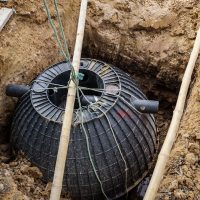
If you’re buying, selling, or simply owning property in New Jersey or Florida, one question you may not immediately think to ask is: Does my land have an underground storage tank (UST)? Hidden tanks are more common than many people realize, and they carry potential environmental and financial liabilities. Here’s how to figure out whether your property has a UST, what to do if you suspect one, and why professional help is usually necessary. For help with installation and removal, compliance testing, site remediation, and other critical underground storage tank services, contact the UST professionals at Herbert Lutz & Company (New Jersey) or Lutz Petroleum Equipment Installation (Florida) for assistance.
Why Hidden USTs Matter
Underground storage tanks can contain heating oil, petroleum, or many other potentially hazardous substances. Over time, these tanks can corrode and leak, contaminating the soil and groundwater. Even if a tank has been removed or abandoned, the site may still require investigation and remediation. Because of these risks, knowing if there’s a UST on your property is an important part of due diligence, especially in real estate transactions.
Common Signs That a UST May Exist
There are a number of “red flags” you can look for on your property that might suggest the presence (or prior presence) of a UST:
-
Fill and Vent Pipes: One of the most telling signs is a metallic pipe sticking out of the ground near your foundation, driveway, or side yard. The “fill” pipe is where oil was delivered; a smaller “vent” pipe may also be present.
-
Unusual Yard Features: Depressions, sinkholes, or soft spots in your lawn, especially near a former oil delivery location, might indicate where a tank used to be.
-
Odd Odors: If you smell petroleum odor around the yard or in the basement, that could point to a leaking or previously leaked tank.
-
Old Oil‑Firing Equipment: If the property once used a heating oil furnace or boiler, even if converted to another fuel source, the prior presence of a UST is more likely.
-
Property Records & Permits: Historical building permits, municipal records, or past environmental reports may reference an oil tank. Checking local records (or NJDEP files) can reveal past installations or closures.
Confirming a Suspected UST: What’s the Best Approach
If you suspect there might be a UST on your property, visual clues alone aren’t enough. The most reliable way to confirm is through a professional tank sweep.
-
Tank Sweep Companies: Specialized firms use tools such as ground-penetrating radar (GPR) or magnetometry to detect buried metal objects consistent with USTs.
-
Licensed Home Inspectors: Some inspectors specifically check for buried oil tanks, using detection equipment and looking for signs like piping in basements, vents, or remnants of oil systems.
-
NJDEP / State Records Search: You can also search NJDEP public databases. For example, the NJDEP UST program provides a “Regulated UST Facilities by Municipality” data report so you can check whether there are registered USTs (or historical records) tied to a property address.
What if a Tank Was There but Is Supposedly Gone?
Even if the tank has been removed or abandoned, you shouldn’t assume the issue is resolved. Here are important things to consider:
-
Abandoned vs. Removed Tanks: Some tanks are “abandoned in place” (left underground), while others are removed. Abandonment should be properly documented and may have involved filling the tank with inert material.
-
Local Permits: Removal or abandonment must typically be done with permit/approval (e.g., fire department).
-
Potential Liability: Even if a tank is gone, contamination may remain. Historical leaks could have left behind polluted soil or groundwater, especially if no thorough environmental investigation was done.
Why Getting It Right Is Important
Failing to identify a UST or mistakenly assuming one is not present can lead to serious consequences, including the following:
-
Environmental Risks: Leaking tanks can contaminate soil and water, which may require expensive cleanup.
-
Real Estate Impact: Undisclosed or uninvestigated tanks can delay or derail home sales; buyers often request tank sweeps before closing.
-
Regulatory Issues: If the tank is or was regulated, or if contamination is discovered, you may need to report to the NJDEP and follow remediation protocols.
-
Financial Liability: Cleanup and removal costs, plus possible third-party liability, can be substantial and should not be underestimated.
Next Steps: What to Do If You Suspect a UST
-
Hire a Specialist: Contact a certified tank sweep company to scan your property using GPR or similar detection tools.
-
Check Records: Look into NJDEP databases, municipal permits, or property inspection reports for historical tank information.
-
Conduct a Phase I/Phase II Assessment: If there’s reason to believe contamination could be present, an environmental consultant or Licensed Site Remediation Professional (LSRP) can do a deeper investigation (soil borings, sampling, etc.).
-
Plan for Closure or Remediation: If a tank is confirmed, you may need to remove it or properly abandon it and address any contamination under state rules.
How Herbert Lutz & Company Can Help
At Herbert Lutz & Company, we specialize in UST detection, removal, and remediation. Our team has years of experience working in New Jersey and Florida, and we understand how to handle the complex technical and regulatory environments. Whether you’re unsure if a tank is present, need a scan, or want full closure and remediation, we can guide the process from start to finish. Contact us today to discuss your needs and find out how we can help.
