

Types of Testing for Stage II Vapor Recovery Compliance
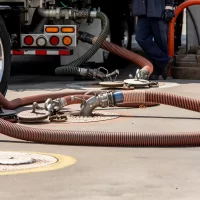
For gasoline dispensing facilities in New Jersey and other states that previously required Stage II vapor recovery systems, compliance testing has long been a critical component of regulatory adherence. Even though many jurisdictions have phased out Stage II requirements due to widespread adoption of Onboard Refueling Vapor Recovery (ORVR) technology in vehicles, certain facilities remain subject to inspection, decommissioning, or legacy compliance obligations. For operators navigating these requirements, Herbert Lutz & Co. provides comprehensive compliance testing services designed to meet state and federal standards.
Understanding the different types of Stage II vapor recovery tests is essential for facility owners, environmental consultants, and compliance managers responsible for underground storage tank (UST) systems.
What Is Stage II Vapor Recovery?
Stage II vapor recovery systems were developed to capture gasoline vapors displaced from vehicle fuel tanks during refueling. These vapors contain volatile organic compounds (VOCs), which contribute to ground-level ozone and air pollution. Stage II systems capture these vapors at the dispenser nozzle and route them back to the underground storage tank.
In New Jersey, Stage II requirements were implemented under air pollution control regulations administered by the New Jersey Department of Environmental Protection (NJDEP). Although the program has largely been phased out, testing remains relevant in certain contexts, including:
- Verification of proper operation before decommissioning
- Confirmation of system integrity where still required
- Compliance documentation during inspections or property transactions
Because vapor recovery systems interface directly with UST piping, dispensers, and tank ullage space, testing often overlaps with underground storage tank compliance testing protocols.
Why Stage II Compliance Testing Matters
Stage II systems must operate within precise performance parameters to effectively capture vapors. Improperly functioning systems can:
- Release VOC emissions into the atmosphere
- Create unsafe pressure conditions within the UST system
- Trigger regulatory violations and enforcement actions
- Increase environmental liability exposure
Testing ensures the system maintains vapor tightness, proper pressure balance, and adequate capture efficiency. Herbert Lutz & Co. works with facility owners to perform required tests using calibrated equipment and standardized procedures consistent with NJDEP and applicable EPA protocols.
Common Types of Stage II Vapor Recovery Testing
Several testing methodologies are used to verify Stage II system performance. The specific test required may depend on regulatory guidance, system design, and inspection findings.
1. Pressure/Vacuum (PV) Vent Valve Testing
The pressure/vacuum vent valve plays a crucial role in maintaining appropriate tank pressure levels. These valves prevent excessive pressure buildup while minimizing vapor losses.
PV vent valve testing evaluates:
- Opening pressure
- Reseal pressure
- Vapor tightness
If the valve opens prematurely or fails to reseal properly, vapors may escape into the atmosphere, undermining system performance and regulatory compliance.
2. Static Pressure Decay (Pressure Integrity) Testing
Static pressure decay testing assesses the vapor tightness of the entire vapor recovery system, including:
- Tank ullage space
- Vapor piping
- Dispenser connections
- Stage II hoses and nozzles
During this test, the system is pressurized to a specified level and monitored over time to measure pressure loss. Excessive decay indicates leaks within the vapor piping or associated components.
This test is particularly important because Stage II vapor recovery relies on a sealed pathway for vapors to travel from the vehicle tank back into the underground storage tank.
3. Dynamic Backpressure Testing
Dynamic backpressure testing evaluates pressure conditions during active fueling operations. Stage II systems must maintain pressure within an acceptable range while gasoline is dispensed.
Excessive backpressure can reduce fuel flow rates, cause nozzle shutoffs, and indicate vapor line restrictions or blockages. Insufficient backpressure, on the other hand, may suggest leaks or improper vapor return functionality. This testing confirms that vapor movement during fueling is balanced and consistent with design specifications.
4. Liquid Blockage Testing
Liquid blockage testing identifies whether gasoline or condensate has accumulated in vapor piping. Liquid obstruction in vapor lines can significantly impair vapor recovery efficiency. This condition may occur due to improper piping slopes, condensation buildup, and damaged or sagging lines. Testing ensures that vapor return pathways remain unobstructed and function as intended.
5. Nozzle and Hose Inspections
Stage II nozzles contain mechanical components that facilitate vapor capture. Inspections and functional testing evaluate:
- Bellows integrity
- Check valves
- Automatic shutoff mechanisms
- Hose vacuum assist components (where applicable)
Worn or damaged nozzles can compromise vapor capture efficiency and result in regulatory deficiencies.
Interaction with UST System Components
Stage II systems are not standalone mechanisms; they are integrated with the underground storage tank system. Vapor piping, containment sumps, and tank vents all form part of the overall vapor management infrastructure. Because of this integration, Stage II testing frequently coincides with UST leak detection system testing, secondary containment testing, line tightness testing, and tank pressure management evaluations. Coordination between vapor recovery testing and UST compliance testing helps ensure system-wide regulatory adherence.
Decommissioning Considerations
Many states, including New Jersey, have adopted decommissioning protocols for Stage II systems following federal determinations regarding ORVR compatibility. However, decommissioning must be performed according to regulatory procedures.
Improper removal of Stage II components can create:
- Vapor leaks
- Pressure imbalances
- Non-compliant venting conditions
- Air quality violations
Testing may be required before and after decommissioning to verify that the system meets updated regulatory requirements.
Herbert Lutz & Co. assists clients in documenting compliance throughout the decommissioning process, ensuring proper modification of vapor piping, nozzles, and tank venting systems.
Documentation and Regulatory Reporting
Accurate recordkeeping is essential. Compliance testing typically requires:
- Certified technician documentation
- Calibration verification
- Test result records
- Submission to NJDEP or other implementing agencies when required
Failure to maintain proper documentation can result in violations even if the system is technically functioning correctly. Working with an experienced testing contractor ensures that documentation meets regulatory expectations and can withstand agency review during inspections or audits.
When Should Stage II Testing Be Performed?
Testing may be required:
- At installation
- After system repairs or modifications
- During periodic compliance cycles
- Prior to or following decommissioning
- Upon regulatory inspection request
Facility operators should consult applicable state requirements to determine current obligations, as regulatory timelines may vary depending on location and facility classification.
Ensuring Ongoing Compliance
Stage II vapor recovery compliance is part of a broader environmental compliance framework governing underground storage tanks and fuel dispensing facilities. Maintaining vapor tightness, system balance, and proper documentation reduces both environmental risk and enforcement exposure.
Herbert Lutz & Co. provides comprehensive Stage II vapor recovery testing services designed to align with state and federal requirements. From static pressure decay testing to dynamic backpressure analysis and decommissioning support, their team helps facility owners navigate compliance with confidence.
If you operate a gasoline dispensing facility in New Jersey and need Stage II vapor recovery testing, system evaluation, or decommissioning assistance, contact Herbert Lutz & Co. to schedule professional compliance testing and ensure your facility meets current regulatory standards.
